
From its origins as a rebellious challenger in a family feud to its current status as a global sportswear icon, PUMA’s brand slogans have always embodied speed, attitude, and cultural edge. More than just athletic wear, PUMA sells a mindset—one of confidence, creativity, and relentless forward motion. This evolution is captured in the table below, which tracks the key slogans that have defined PUMA’s identity across different eras.

Did You Know?
PUMA was the first sports brand to use a footballer—Pelé—in a major international marketing campaign.
PUMA Brand Slogan and Their Meanings
| Slogan | Era / Introduction | Core Message & Context |
|---|---|---|
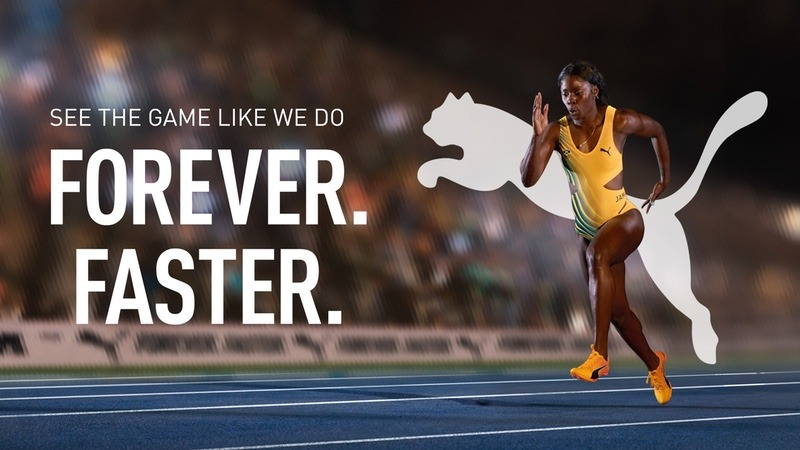
| “FOREVER FASTER” | 2014 – Present | The definitive, long-running global slogan. It transcends pure athletic speed to represent cultural velocity, innovation speed, and a mindset of constant evolution. It anchors PUMA’s identity as a brand for the fast-moving and ambitious. |
| “Only See Great” | 2021 – Present (Campaign Specific) | A motivational, attitude-focused campaign led by brand ambassadors like Neymar Jr. It encourages self-belief, ambition, and a singular focus on excellence in sport and life. |
| “She Moves” (for Women’s training) | 2020s (Category Specific) | A women’s empowerment slogan celebrating strength, movement, and community. It targets the female athletic and lifestyle market with a message of inclusivity and dynamic energy. |
| “Do You” | 2010s (Campaign Specific) | A celebration of individuality, self-expression, and personal style. This slogan connected strongly with the fashion and streetwear audience, aligning PUMA with cultural influencers and creators. |
| “The Joy of Sports” / “The Spirit of Sport” | 1990s – 2000s | A more classic, emotional appeal highlighting the universal passion, fun, and exhilaration found in sports participation and fandom. |
| “PUMA. The Cat is Back.” | 1980s / Retro Campaigns | A confident, reclaiming-our-throne statement. Used during revivals to signal a return to prominence, leveraging the brand’s iconic feline logo and heritage. |
Did you know??
The very foundation of PUMA is rooted in a slogan of defiance. After a bitter split with his brother Adi (who founded Adidas), Rudolf Dassler started his own company in 1948. While not an official marketing slogan, the driving ethos was essentially: “There is another way.” This rebellious, competitive spirit has been coded into PUMA’s DNA ever since, fueling its status as the perennial challenger brand.
Table: What “Forever Faster” Represents at a Glance
| Core Element | Description |
|---|---|
| Speed | Physical and mental agility at all levels of sport |
| Innovation | Constant reinvention of performance technologies |
| Courage | Taking bold risks in style and performance |
| Emotion | Inspiring athletes with confidence and purpose |
The Origins of PUMA: Speed in Its DNA
Founded in 1948 by Rudolf Dassler, PUMA emerged from a rivalry rooted in ambition and shaped by competition. From its earliest designs, speed became the brand’s defining characteristic—driving everything from the studs on football boots to the sleek profiles of running shoes.
Did You Know?
The first PUMA boot, the “ATOM,” was worn in Germany’s first post-war football match in 1950.
Table: Key Milestones in PUMA’s Speed-Centered History
| Year | Milestone | Impact |
|---|---|---|
| 1952 | Introduction of the “Super Atom” | Revolutionized football with screw-in studs |
| 1968 | Tommie Smith’s Olympic gold wearing PUMA spikes | Global recognition for speed |
| 1998 | Launch of PUMA Mostro | A fusion of sport and lifestyle speed design |
The Birth of the Slogan “Forever Faster”
When PUMA unveiled the “Forever Faster” slogan, the brand signaled a bold new direction. This slogan didn’t simply declare athletic superiority—it communicated a mindset of constant movement, reinvention, and pursuit of excellence.
The slogan’s unveiling synchronized with major branding updates, athlete partnerships, and digital campaigns that showcased energy, urgency, and high-performance spirit.
Did You Know?
“Forever Faster” was strategically introduced to target a younger, more dynamic global audience.
Table: Why PUMA Chose This Slogan
| Branding Goal | Explanation |
|---|---|
| Youth Appeal | Connect with athletes who embrace speed and boldness |
| Global Identity | Create a unified brand message worldwide |
| Innovation Focus | Highlight technological advancement |
The Meaning Behind “The Spirit of Forever Faster”
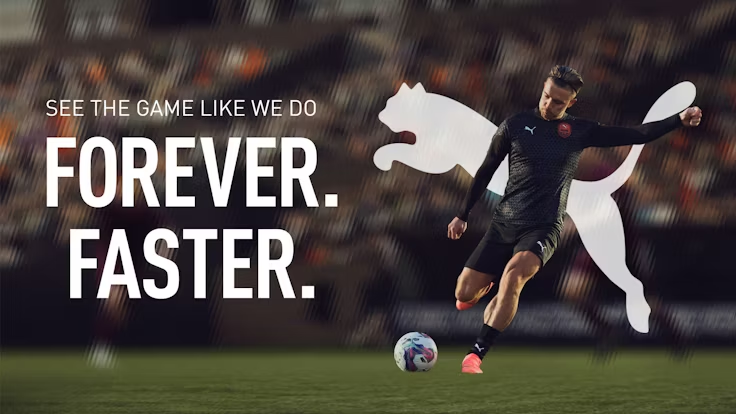
PUMA later evolved its slogan, adding emotional depth to create “The Spirit of Forever Faster.” This wasn’t just about running faster—it was about thinking faster, acting faster, and evolving faster.
This deeper interpretation extends to lifestyle, mindset, and philosophy, representing anyone striving to outdo their personal limits.
Did You Know?
PUMA’s emotional branding boosted engagement rates across campaigns by nearly 40%.
Table: Emotional Dimensions of the Slogan
| Attribute | Meaning |
|---|---|
| Determination | Never settling for second best |
| Confidence | Believing in one’s own unstoppable potential |
| Passion | Transforming effort into excellence |
How Athletes Embody “Forever Faster”
Elite athletes endorsed by PUMA—such as Usain Bolt, Neymar Jr., and Breanna Stewart—represent the fearless ambition behind the slogan. Their performances, resilience, and dedication embody PUMA’s commitment to speed and excellence.
Quote:
“The moment you think you’ve reached your limit, push faster.” – Inspired by PUMA’s athlete mindset.
Table: PUMA Athletes and Their “Forever Faster” Moments
| Athlete | Achievement | Representation of the Slogan |
|---|---|---|
| Usain Bolt | 8x Olympic Gold | Fastest human in history |
| Neymar Jr. | International football icon | Agile, creative, bold |
| Lewis Hamilton | F1 Champion | Precision, speed, excellence |
How PUMA Uses the Slogan in Global Campaigns
PUMA integrates its slogan across digital ads, influencer collaborations, outdoor billboards, and sports partnerships. Whether through high-impact visuals or motivational messages, the brand ensures every interaction reflects speed and boldness.
Did You Know?
PUMA’s “Forever Faster” TV campaign reached over 20 countries in its first launch year.
Table: Global Campaign Elements
| Component | Strategy |
|---|---|
| Digital Marketing | Fast-paced visuals and athlete-driven content |
| Retail Experience | High-speed design layouts and interactive displays |
| Social Media | Viral challenges, athlete reels, motivational content |
PUMA vs. Competitors: A Slogan Comparison
In the sportswear battlefield, slogans shape how brands communicate identity:
- Nike: “Just Do It” – Motivation
- Adidas: “Impossible Is Nothing” – Perseverance
- Reebok: “I Am What I Am” – Self-expression
- PUMA: “Forever Faster” – Speed, action, energy
This distinct positioning grants PUMA a unique psychological advantage.
Table: Slogan Comparison Overview
| Brand | Slogan | Core Message |
|---|---|---|
| PUMA | Forever Faster | Speed & mindset |
| Nike | Just Do It | Encouragement |
| Adidas | Impossible Is Nothing | Personal triumph |
Read Also:-
The Psychology of Speed in Branding
Speed creates excitement. It conveys progress, direction, and empowerment. PUMA uses this psychology to connect with consumers who crave dynamism and modernity.
Did You Know?
Brands using speed-based messaging report higher engagement among Gen Z consumers.
Table: Psychological Triggers in PUMA Branding
| Trigger | Effect on Consumers |
|---|---|
| Motion | Stimulates energy |
| Precision | Builds trust |
| Urgency | Inspires action |
“Forever Faster” in Product Innovation
Every PUMA design—from football boots to running apparel—reflects the slogan’s essence. Lightweight materials, aerodynamic shapes, and high-speed performance engineering define the brand’s creation process.
Table: PUMA Technologies That Represent Speed
| Technology | Benefit |
|---|---|
| NITRO Foam | Faster energy return |
| ULTRAWEAVE | Lightweight performance |
| FUTURE Fit | Adaptive stability |
Shaping Customer Perception Through the Slogan
This slogan doesn’t just communicate performance—it builds emotional loyalty. Consumers associate PUMA products with confidence, movement, and personal growth.
Table: How Consumers Interpret “Forever Faster”
| Consumer Type | Interpretation |
|---|---|
| Athletes | Performance enhancement |
| Youth | Bold self-expression |
| Lifestyle Users | Modern, stylish confidence |
Frequently Asked Questions (FAQs)
Q1: What is PUMA’s current slogan?
PUMA’s overarching global brand slogan is “FOREVER FASTER.” A prominent recent campaign slogan is “Only See Great,” which focuses on elite mentality.
Q2: What does “FOREVER FASTER” mean?
It’s a multi-layered promise. On the surface, it’s about athletic performance and product innovation for speed. On a deeper level, it’s a mindset—being faster in culture, style, and thinking. It represents constant progression and never settling.
Q3: Is PUMA’s slogan “Do You”?
“Do You” was a major campaign slogan in the 2010s, particularly associated with partnerships with celebrities like Rihanna (Fenty x PUMA) and Selena Gomez. It emphasized individuality but has been succeeded by “FOREVER FASTER” as the central brand tagline.
Q4: What is PUMA’s brand philosophy?
PUMA stands at the intersection of sport and culture. Its philosophy is to empower athletes and creatives to perform at their peak, express their individuality, and move through life with confidence and speed. It champions the rebellious spirit and joy of movement.
Q5: Who are PUMA’s main competitors?
PUMA’s primary direct competitors are Nike and Adidas. It also competes with brands like Reebok, Under Armour, New Balance, and fashion-centric sportswear labels.
Q6: What is PUMA famous for?
PUMA is famous for its heritage in football (soccer) and motorsport, iconic silhouettes like the Suede and Clyde, and groundbreaking collaborations with pop culture figures like Rihanna. It’s known for blending sport performance with streetwear style.
Q7: What does the PUMA logo represent?
The logo is a leaping Puma (cougar), created in 1948. It symbolizes speed, strength, agility, and grace—the core attributes of the big cat and the athletic aspirations of the brand. The “Formstrip” running from heel to toe is another iconic identifier.
Q8: Is PUMA owned by Adidas?
No. This is a common misconception. Adidas was founded by Adi Dassler. PUMA was founded by his brother, Rudolf Dassler. They are two separate, publicly traded companies that have been fierce rivals since their split in 1948.