
Coca-Cola Slogans and Their Role in Brand Success: Past, Present and Future
Coca-Cola slogans helped build the world's most recognized beverage brand by selling emotion — happiness, pause, and togetherness — instead of ingredients. This article covers Coca-Cola slogan history across past, present, and future eras, with a full table, overview, and FAQs on how taglines drove global brand success.
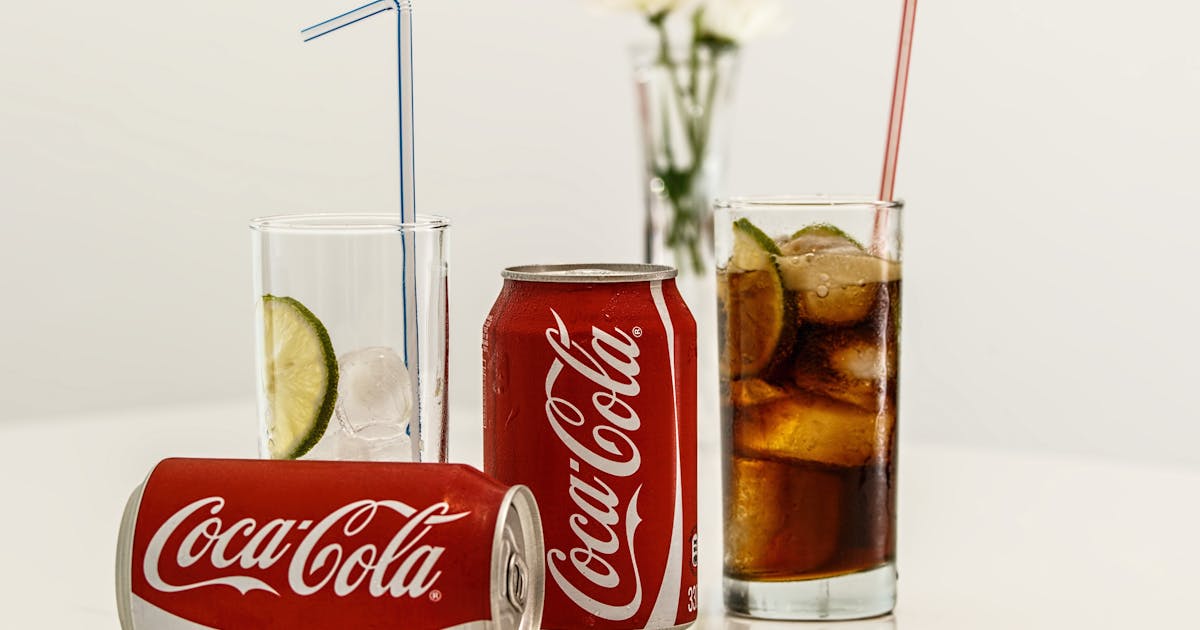
Photo by Mike on Pexels
Coca-Cola Slogans Overview
Coca-Cola slogans follow one rule: lead with feeling, support with product. From "The Pause That Refreshes" to "Open Happiness" and "Taste the Feeling," each Coca-Cola tagline gave customers a simple reason to choose red cans. Past campaigns built trust; present lines unify a multi-product portfolio; future slogans will balance joy with health transparency.
- Past focus: refreshment, tradition, universal appeal
- Present focus: shared moments across Coke variants
- Future focus: modular global lines + personalized campaigns
Coca-Cola Slogans Table — Past, Present and Future
| Coca-Cola Slogan | Era | Role in Brand Success |
|---|---|---|
| The Pause That Refreshes | Past (1920s–1940s) | Framed Coke as a daily break — emotional habit, not just a drink |
| It's the Real Thing | Past (1940s–1960s) | Defended authenticity as competitors multiplied |
| I'd Like to Buy the World a Coke | Past (1971) | Turned product into a unity symbol — peak cultural reach |
| Open Happiness | Present (2009–2016) | Linked brand to optimism after recession-era anxiety |
| Taste the Feeling | Present (2016–2021) | Unified Classic, Diet, and Zero under one sensory promise |
| Share a Coke | Present (campaign) | Personalized bottles — customers spread the slogan organically |
| Real Magic | Future-facing (2021+) | Wonder in ordinary life; room for digital and local variants |
Coca-Cola Slogans in the Past: Emotion Before Ingredients
Early Coca-Cola advertising already leaned on pleasure and refreshment rather than laboratory detail. By the 1970s, "I'd Like to Buy the World a Coke" turned a soft drink into a peace-and-unity symbol. The line was not about taste notes; it was about how the product fit into human connection.
Other historic themes included:
- Pause and enjoy — "The Pause That Refreshes" framed Coke as a break in a busy day
- Authenticity and tradition — "It's the Real Thing" reinforced original status amid rising competition
- Universal appeal — slogans traveled globally with localized translations, not new concepts every year
The pattern: one emotional idea, repeated until it lives in culture, then gently refreshed — not erased.
Iconic Coca-Cola slogans and what they achieved
- Open Happiness — linked the brand to positive daily moments after recession-era anxiety
- Taste the Feeling — unified classic Coke, Diet Coke, and variants under one sensory promise
- Share a Coke — personalized bottles turned names into mini slogans customers spread themselves
- Real Magic — post-pandemic emphasis on wonder in ordinary life
Share a Coke deserves special mention: it blurred the line between tagline and user-generated content. When customers photograph bottles with their names, the brand message multiplies without extra ad spend.
Coca-Cola Slogans in the Present: One Feeling, Many Products
Today's Coca-Cola Company sells water, juice, coffee, and zero-sugar lines — not only red cans. Global slogans therefore emphasize feeling that stretches across products: refreshment, uplift, togetherness. Sub-brands still carry specific lines, but the parent brand avoids describing a single flavor in its master message.
Modern execution also lives in:
- Short video hooks optimized for social feeds
- Seasonal campaigns tied to sports and holidays
- Sustainability and community stories supporting — not replacing — emotional taglines
Coca-Cola Slogans in the Future: Health-Aware, Digital-First Messaging
Consumers now read labels, track sugar, and expect transparency. Future Coca-Cola messaging likely keeps optimism but acknowledges choice — zero sugar, smaller portions, hydration options — without sounding clinical in the headline line.
We expect three trends:
- Modular taglines — a global emotional core with local language variants
- Participatory campaigns — more Share-a-Coke-style personalization powered by digital printing and apps
- Purpose-backed joy — recycling, water access, and community programs supporting the same "feel good" promise
Slogans will stay short. The surrounding proof will carry more factual weight than in the 1960s.
Role of slogans in Coca-Cola's brand success
Taglines did not create the formula — quality, distribution, and consistency did. But slogans gave customers language to remember why they choose red cans in a aisle of alternatives. They:
- Reduced complex brand strategy to repeatable phrases
- Aligned advertising, sponsorships, and packaging for decades
- Made the brand teachable — everyone can quote "Open Happiness" faster than a mission statement
Apply Coca-Cola's playbook locally
You do not need a Super Bowl budget. You need one feeling your customers already experience at your cafe, shop, or service — then name it in five words or fewer. Use our slogan generator, pick Food & Beverage or Retail, Friendly tone, and edit until the line sounds like your regulars, not a Fortune 500 committee.
Coca-Cola Slogans FAQs
What is Coca-Cola's most famous slogan?
I'd Like to Buy the World a Coke (1971) is among the most famous Coca-Cola slogans. Open Happiness and Taste the Feeling are widely recognized modern global taglines.
Does Coca-Cola still use Taste the Feeling?
It remains part of recent global brand language, often rotated with newer campaigns like Real Magic depending on region and year.
Why are Coca-Cola slogans so short?
Short Coca-Cola slogans fit bottles, banners, and jingles. They survive translation and memory better than long copy.
What can small brands learn from Coca-Cola slogans?
Sell feeling before features. Lead with the human benefit your customers already feel, then support it with proof — the core of Coca-Cola's brand success.