
The beauty industry has become one of the most dynamic and fast-evolving markets in the world. Whether it’s skincare, makeup, or haircare, consumers are increasingly drawn to international brands for their innovation, quality, and variety. But here’s a surprising truth: many beauty brands that you love and swear by are significantly cheaper in the USA than in India. Have you ever noticed that a MAC lipstick costs nearly twice as much in India compared to what your friend in New York pays? You’re not imagining it—there are solid economic, logistical, and regulatory reasons behind this price gap.
India’s beauty market has exploded in recent years, thanks to rising disposable income, exposure to global influencers, and easy access to international brands through e-commerce. However, the high taxes, import duties, and distribution costs add layers of markup before the product finally reaches the consumer. On the other hand, the USA, being home to many global beauty powerhouses, enjoys a competitive and less taxed retail structure.
In this article, we’ll dive deep into why beauty brands are cheaper in the USA, explore specific examples of top beauty brands, and show you how to get them for less—even if you’re shopping from India. From MAC to Maybelline, we’ll break down what drives the price differences, where to shop smartly, and whether it’s really worth importing products directly from the U.S.
By the end, you’ll understand how to make the most of global pricing strategies and stretch your beauty budget without compromising on your favorite brands. Ready? Let’s explore why the same lipstick or foundation can burn a hole in your wallet in India but barely make a dent in the U.S.
Why Are Beauty Products Cheaper in the USA?
If you’ve ever wondered why a $30 foundation in the USA sells for over ₹3,500 in India, you’re not alone. The stark difference in pricing between the two countries can seem unfair—but when you peel back the layers, it starts to make sense. There are several key reasons why beauty products tend to be significantly cheaper in the United States.
First, import duties and taxes play a massive role. India imposes heavy customs duties on imported goods, especially luxury and cosmetic items. When a brand like Estée Lauder ships its products to India, it doesn’t just pay for transportation. It must also factor in import duties (which can be 30–60%), GST, and additional handling charges. These costs don’t vanish—they’re passed directly on to consumers. In contrast, the USA has relatively low taxes on domestic goods, especially when the brand is headquartered or manufactured locally.
Another factor is brand origin and manufacturing costs. Most American beauty giants—MAC, Clinique, Maybelline, Urban Decay—are headquartered in the USA or have manufacturing hubs in North America. This gives them access to local raw materials, packaging facilities, and distribution networks. The result? Lower production and transportation costs. When these same products are shipped halfway across the globe to India, the entire cost structure changes.
Then there’s distribution and retail markup. In India, international beauty brands often partner with authorized distributors who sell to high-end retailers like Sephora, Nykaa, or Shoppers Stop. Each middleman adds a small profit margin, further inflating the final price. In the USA, however, brands sell directly to consumers through official websites, drugstores, or mass retailers like Ulta and Target, cutting out unnecessary intermediaries.
Lastly, competitive pricing in the U.S. beauty market keeps prices low. With thousands of local and international brands competing for attention, American retailers often offer discounts, loyalty programs, and seasonal sales. This fierce competition ensures customers always get the best deals—something that’s still evolving in the Indian market.
In short, local production, low taxes, minimal markups, and cutthroat competition all contribute to the U.S. advantage.
How Currency Exchange Rates Affect Prices
Exchange rates are another sneaky factor that make beauty products pricier in India. The Indian rupee (INR) has historically been weaker against the U.S. dollar (USD). For example, if $1 equals ₹85, a $25 product automatically costs ₹2,125 before even adding shipping, taxes, or import fees. And since currency values fluctuate constantly, brands often set higher retail prices in India to buffer against potential losses due to exchange volatility.
Global inflation also impacts this equation. The cost of ingredients, shipping, and packaging materials has risen globally, but the U.S. market can absorb these increases more easily due to stronger purchasing power. In India, these costs magnify once converted from USD to INR. That’s why brands like Urban Decay or Tarte can maintain $45 price tags in the U.S. but exceed ₹5,000 in Indian stores.
Moreover, American consumers benefit from volume sales—brands sell millions of units domestically, reducing per-unit costs. In India, sales volumes are still growing, so prices remain higher to maintain profitability.
Currency exchange rates, import taxes, and inflation together create a perfect storm that pushes Indian prices up while U.S. prices stay stable or even drop during sales.
Top American Beauty Brands That Are Cheaper in the USA
When you start comparing beauty product prices, it’s shocking to see how wide the gap is between the U.S. and Indian markets. Some products cost twice as much in India, while others can be up to 60–70% cheaper in the U.S. This difference is especially visible in American-origin beauty brands, which naturally have their base, manufacturing, and strongest customer network in the United States.
Brands like MAC, Estée Lauder, Clinique, Maybelline, Urban Decay, Too Faced, and Tarte dominate both Western and Indian markets. But the same products—whether a lipstick, serum, or eyeshadow palette—are often significantly less expensive in the U.S. due to reduced import-related costs and frequent promotional offers.
Let’s break down each brand to see how and why these price gaps occur, what products are most affected, and how you can get the best deals even if you’re shopping from India.
1. MAC Cosmetics
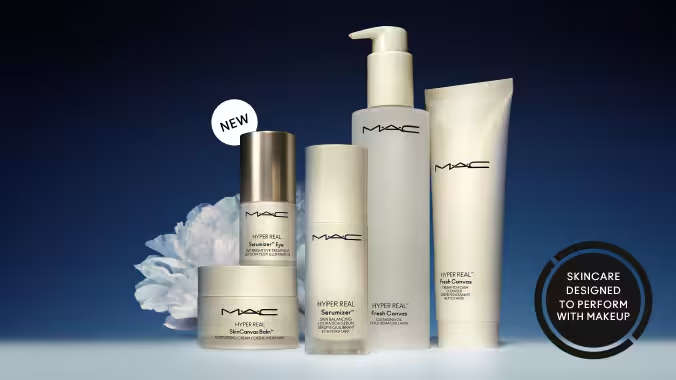
MAC Cosmetics, short for Make-up Art Cosmetics, is one of the most iconic beauty brands in the world. Founded in Canada but headquartered in New York, MAC is known for its professional-grade products and extensive color range. However, Indian shoppers often notice a shocking difference in prices.
For instance, a MAC Studio Fix Fluid Foundation costs around $39 in the U.S. (approximately ₹3,300). In India, the same product retails for about ₹4,900–₹5,200. Similarly, the MAC Ruby Woo Lipstick, a cult classic, sells for $23 in the U.S. (₹1,950 approx) but for nearly ₹2,900 in India.
The main reason behind this difference lies in import duties and retail margins. Since MAC imports its products into India and sells through exclusive stores or authorized retailers like Nykaa, it has to cover shipping, customs, and retail commissions. On the flip side, American consumers can purchase MAC directly from the brand’s website or at department stores like Macy’s or Ulta Beauty—often during sale seasons that offer up to 20–30% off.
Moreover, MAC runs exclusive online offers in the U.S., such as “buy two, get one free” or limited-edition bundles, which rarely reach the Indian market. The result? U.S. shoppers get better prices, deals, and freebies that Indian buyers miss out on.
For Indian consumers, one hack is to buy MAC products during U.S. sale events like Black Friday or from authorized global retailers that ship worldwide, such as LookFantastic or Nordstrom. Even after paying shipping fees, the total cost often remains lower than Indian retail prices.
2. Estée Lauder
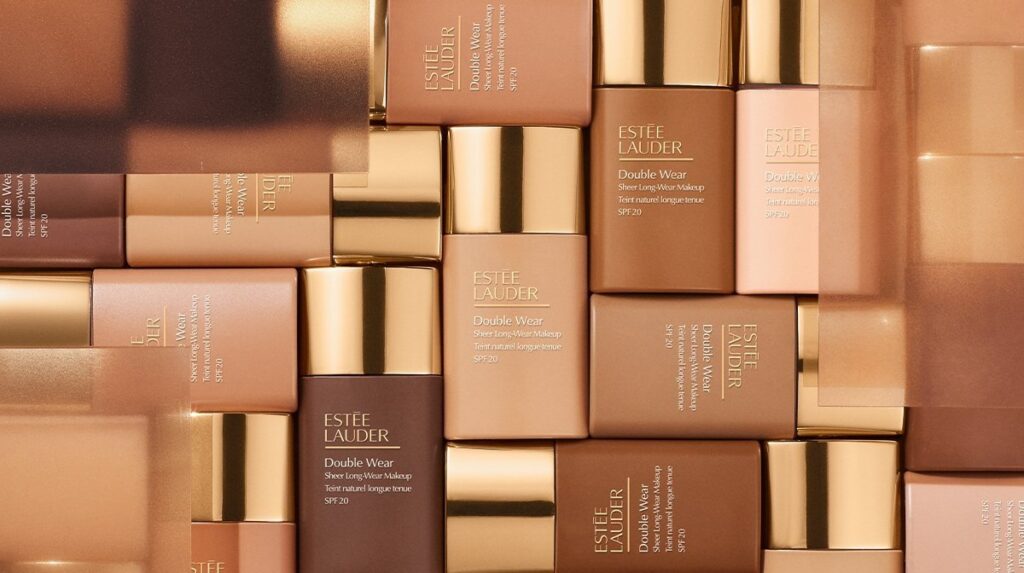
Estée Lauder is synonymous with luxury skincare and makeup. From the legendary Advanced Night Repair Serum to Double Wear Foundation, it’s a brand that sets global standards in beauty. Yet, Estée Lauder is significantly cheaper in the USA—and for good reason.
Take, for instance, the Estée Lauder Double Wear Stay-in-Place Foundation. In the U.S., it costs $48 (around ₹4,000), while in India, the same bottle retails for ₹5,800–₹6,200. Similarly, the Advanced Night Repair Serum costs around $85 (₹7,100) in the U.S. but almost ₹10,500–₹11,000 in India.
The price gap is due to the brand’s American origin. Since Estée Lauder is based in New York, it avoids the extra taxes, import duties, and markup costs applied overseas. In India, however, it’s classified as a luxury imported brand, meaning higher customs duties and GST are automatically applied.
Another point worth noting is that the U.S. has frequent beauty outlet sales and loyalty programs (like Sephora’s Beauty Insider or Estée Lauder’s own reward program), which offer customers cashback, free samples, or discounts—perks not widely available in India.
If you’re traveling to the U.S., stock up on Estée Lauder products directly from their stores or duty-free outlets at airports. You’ll likely save 30–40% compared to what you’d pay back home.
3. Clinique
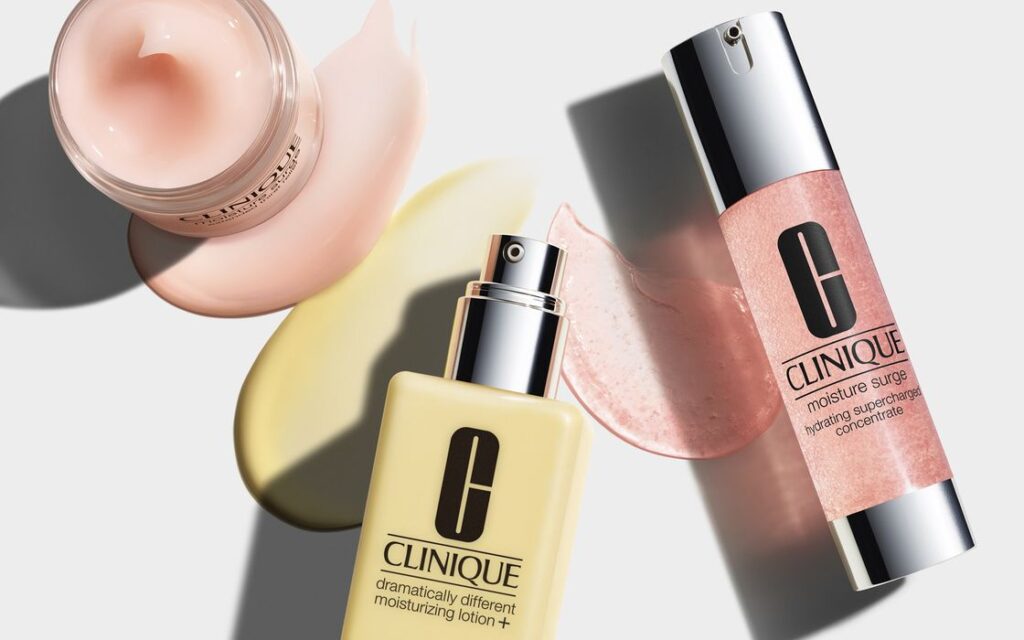
Clinique is another American-origin skincare brand under the Estée Lauder umbrella. Known for its dermatologist-developed formulas, Clinique is a global favorite for sensitive skin users. Yet, the price differences between India and the U.S. can make anyone’s jaw drop.
For example, Clinique’s bestselling Moisture Surge 100H Auto-Replenishing Hydrator is priced at $45 in the U.S. (around ₹3,800) but costs nearly ₹5,900 in India. Similarly, the Clinique Take The Day Off Cleansing Balm, a cult-favorite makeup remover, sells for $38 (₹3,200) in the U.S. but crosses ₹4,800 in India.
Why such a stark difference? Clinique’s production, logistics, and marketing teams are all U.S.-based. That makes domestic pricing more flexible and competitive. In India, the brand’s exclusive distribution via Sephora or Nykaa adds multiple markup layers. Even the packaging and labeling costs—adjusted for Indian regulations—contribute to the final price increase.
Savvy shoppers in India often buy Clinique during Black Friday or Cyber Monday deals from U.S. e-commerce sites. Another smart move is to purchase travel-size sets that offer more value per milliliter. Sites like Sephora U.S., Nordstrom, and Macy’s frequently have bundles that aren’t available in Indian stores.
4. Maybelline New York
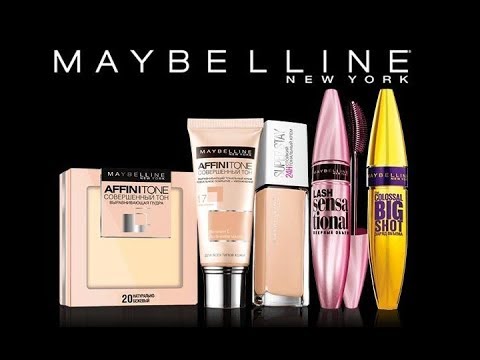
When it comes to drugstore makeup, Maybelline is practically a household name. It’s affordable, accessible, and globally recognized. However, even this mass-market brand shows noticeable price differences between the two countries.
In the U.S., the Maybelline Fit Me Foundation sells for just $8–$10 (₹700–₹850), whereas in India, it retails for about ₹599–₹799 officially—but with reduced shade availability and older packaging. However, other Maybelline products like the Instant Age Rewind Concealer cost $11 (₹900) in the U.S. but up to ₹1,200–₹1,400 in India.
Why? Maybelline is owned by L’Oréal, which locally manufactures certain products in India but still imports high-demand shades or formulas. Add to that, India’s smaller drugstore chain network compared to the U.S. (think Target, Walmart, CVS, etc.) means fewer bulk purchases, resulting in higher per-unit costs.
American consumers also benefit from frequent discounts—buy-one-get-one offers, coupons, and clearance sales—that are uncommon in India. Even after adding shipping, international buyers often find it cheaper to order directly from U.S. retailers like Ulta Beauty or Amazon U.S.
5. Tarte Cosmetics
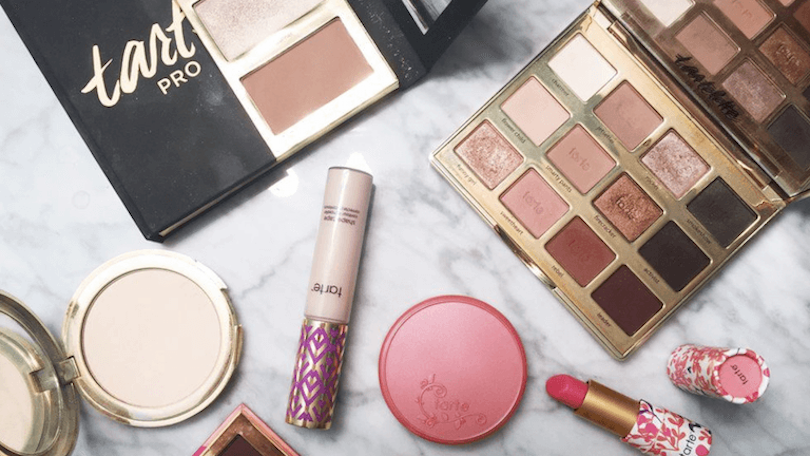
Tarte Cosmetics is beloved for its cruelty-free, vegan formulations and stunning packaging. But Indian shoppers are often shocked by how much extra they pay. For instance, the Tarte Shape Tape Concealer—a makeup icon—costs $32 (₹2,700) in the U.S., yet sells for ₹4,500–₹4,800 in India through importers.
Why? India doesn’t have an official Tarte retail presence. This means every product is sold through third-party resellers or international e-commerce platforms, each adding their own markup. Additionally, since Tarte products are formulated in the U.S. and shipped internationally, the brand’s sustainability-driven packaging and eco-sourcing costs amplify with distance.
Another factor is limited-edition collections—available first in the U.S. and often never officially launched in India. Fans in India end up paying extra for exclusivity or importing through personal shoppers. If you’re a Tarte lover, the best time to buy is during U.S. holiday sales or Sephora’s Beauty Insider Events, which offer up to 20% off storewide.
6. Anastasia Beverly Hills
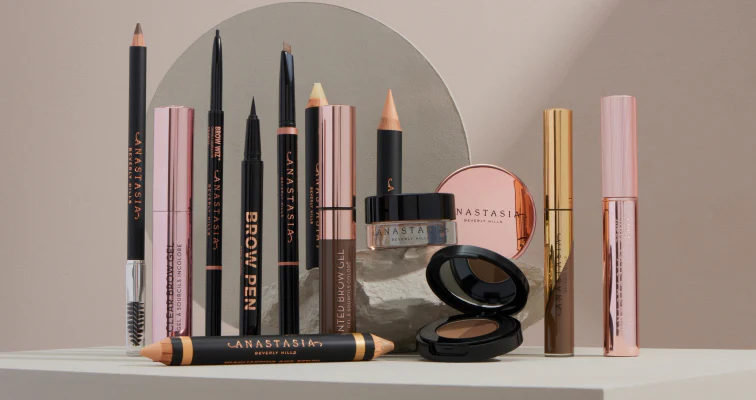
Anastasia Beverly Hills (ABH) is a makeup artist’s dream brand, especially famous for its brow products and eyeshadow palettes. But the same Modern Renaissance Palette that sells for $55 (₹4,600) in the U.S. can cost nearly ₹7,000–₹7,500 in India.
This price gap arises because ABH doesn’t have a full-fledged Indian presence. Most of its sales in India happen through Sephora or import-based e-commerce platforms. These middlemen must cover import duties, customs fees, and their own profit margins—hiking prices substantially.
American buyers also enjoy frequent flash sales on ABH’s official site. Products like the Dipbrow Pomade or Brow Wiz are often discounted up to 40%, while such promotions rarely extend to international markets.
If you’re in India, consider purchasing from authorized international stores like Cult Beauty or Beauty Bay, which often offer global shipping at lower prices than local resellers.
7. Too Faced
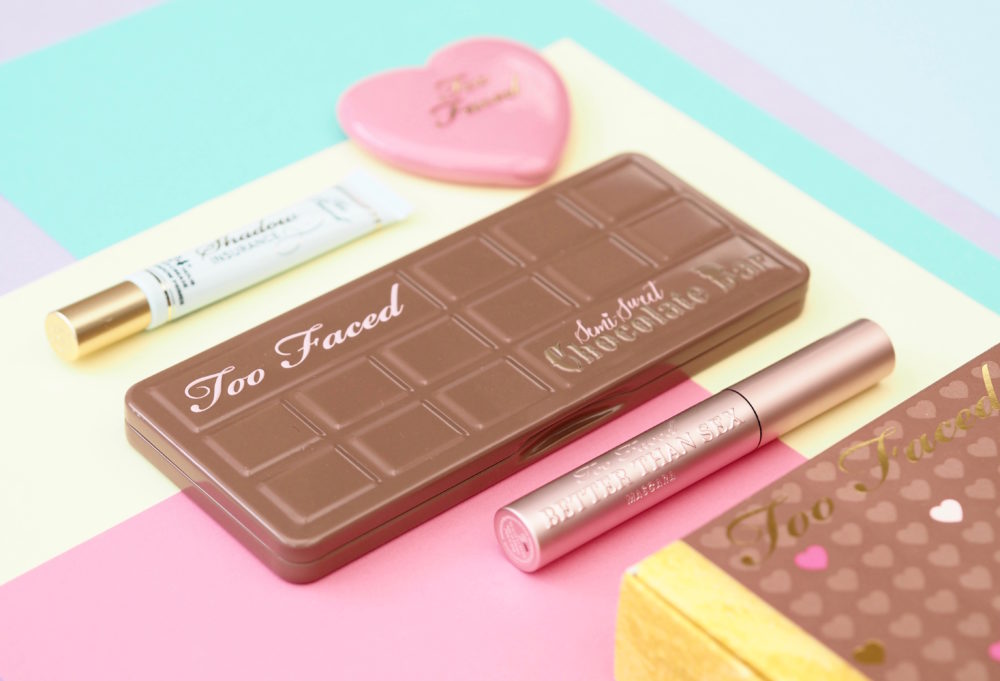
Known for its fun packaging and high-quality formulas, Too Faced is another cult favorite. But it’s a luxury import in India. The Too Faced Better Than Sex Mascara, for example, costs $29 (₹2,400) in the U.S. but up to ₹4,200 in India.
The reasons are predictable: import taxes, retail markups, and limited availability. The brand’s parent company, Estée Lauder, maintains tighter distribution control in the Indian market. Since Too Faced doesn’t have standalone boutiques in India, buyers must rely on online platforms that import directly from the U.S.
Smart shoppers buy Too Faced from Sephora U.S. during promotional events like Friends & Family Sale or Holiday Kits. You’ll often get additional mini-products or discounts that never reach Indian shelves.
8. Urban Decay
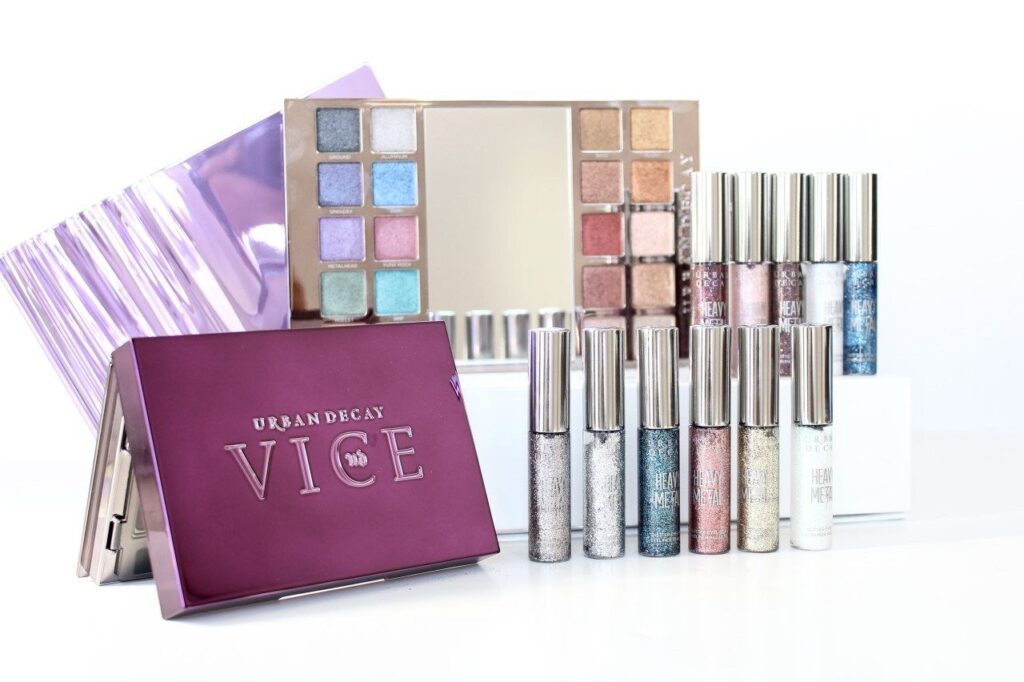
Urban Decay is a brand synonymous with edgy, high-performance makeup. Its Naked Palette revolutionized eyeshadows globally. However, the pricing story is familiar: $54 (₹4,500) in the U.S. versus ₹6,500–₹7,000 in India.
The main culprit again is import duty and retail markup. Since Urban Decay is owned by L’Oréal USA, it’s locally priced in the States, benefiting from lower overheads. Meanwhile, India’s limited retail channels and smaller customer base keep prices high.
Another key reason is that Urban Decay products in India often arrive later than their U.S. launch—causing a lag that reduces discount opportunities. American shoppers can access flash sales, gift-with-purchase offers, or bundled sets that Indian customers rarely see.
If you love Urban Decay, ordering during U.S. Cyber Week or Spring Savings Events is your best bet to save money without compromising authenticity.
Luxury Brands with Major Price Differences
Luxury beauty brands like Chanel, Dior, Yves Saint Laurent (YSL), and Tom Ford also follow this pattern—but with an even steeper markup. These brands position themselves as ultra-premium in India, catering to a smaller audience. The result? Retail prices inflated by 40–60% compared to the U.S.
For example:
| Brand | Product | U.S. Price | Indian Price |
|---|---|---|---|
| Chanel | Rouge Allure Lipstick | $42 (₹3,600) | ₹5,800 |
| Dior | Forever Foundation | $58 (₹5,000) | ₹7,800 |
| YSL | Touche Éclat Concealer | $40 (₹3,400) | ₹6,200 |
India classifies these as “luxury goods”, which means higher GST and import duty. On the other hand, in the U.S., luxury beauty brands compete heavily in department stores, keeping their prices relatively stable.
Many Indian shoppers now prefer to buy luxury makeup during international trips or through global shipping websites that offer lower rates, even after adding customs.
Tips for Buying Cheaper U.S. Beauty Products in India
Want to enjoy U.S. beauty prices without booking a flight? Here are a few practical hacks:
- Use trusted global retailers – Websites like Sephora U.S., LookFantastic, Cult Beauty, and Beautylish offer authentic products and global shipping.
- Track sales seasons – The best times to buy are Black Friday, Cyber Monday, Memorial Day, and July 4th sales.
- Join brand loyalty programs – Brands like Estée Lauder and Clinique offer points and discounts that can be redeemed globally.
- Compare shipping vs. local price – Even with customs fees, some products remain cheaper when imported directly.
- Avoid suspiciously cheap listings – Fake beauty products are rampant online. Stick to authorized sellers.
These strategies can save you anywhere from 20–50% on your favorite beauty items.
Should You Buy From the USA or India?
This depends on what you value most—price, convenience, or warranty. Buying from India offers peace of mind, official warranty coverage, and quick delivery. But if you’re focused on value, purchasing from U.S. stores during sales can save a substantial amount.
If you frequently travel or have friends abroad, consider stocking up directly from the U.S. For occasional purchases, use verified online platforms that handle international shipping responsibly.
Ultimately, both markets have their perks. The key is knowing when and where to shop smart.
Conclusion
The price difference between U.S. and Indian beauty brands isn’t just about luck—it’s a result of import duties, taxes, currency exchange rates, and retail dynamics. American consumers benefit from a strong domestic market, competitive pricing, and frequent discounts, while Indian shoppers face higher markups and limited offers.
But the good news? With smart shopping strategies—like using global e-commerce platforms, watching for sale seasons, and comparing prices—you can enjoy premium U.S. beauty brands without burning a hole in your wallet. After all, good makeup shouldn’t come with bad math!
FAQs
1. Why are imported beauty brands so expensive in India?
Because India imposes heavy import duties (30–60%) and GST, plus additional logistics and distributor markups.
2. Are products cheaper if I buy from U.S. websites directly?
Yes, especially during sale periods. Even after adding shipping, total costs are often lower than Indian prices.
3. How can I avoid counterfeit beauty products?
Shop only from official brand websites, trusted global retailers, or verified sellers on platforms like Amazon or Sephora.
4. Do international beauty websites ship to India?
Yes. Sites like LookFantastic, Beauty Bay, and Cult Beauty offer worldwide shipping, though delivery times vary.
5. What’s the best time to buy U.S. beauty brands online?
Black Friday, Cyber Monday, and mid-year clearance events are the best times to grab deals.